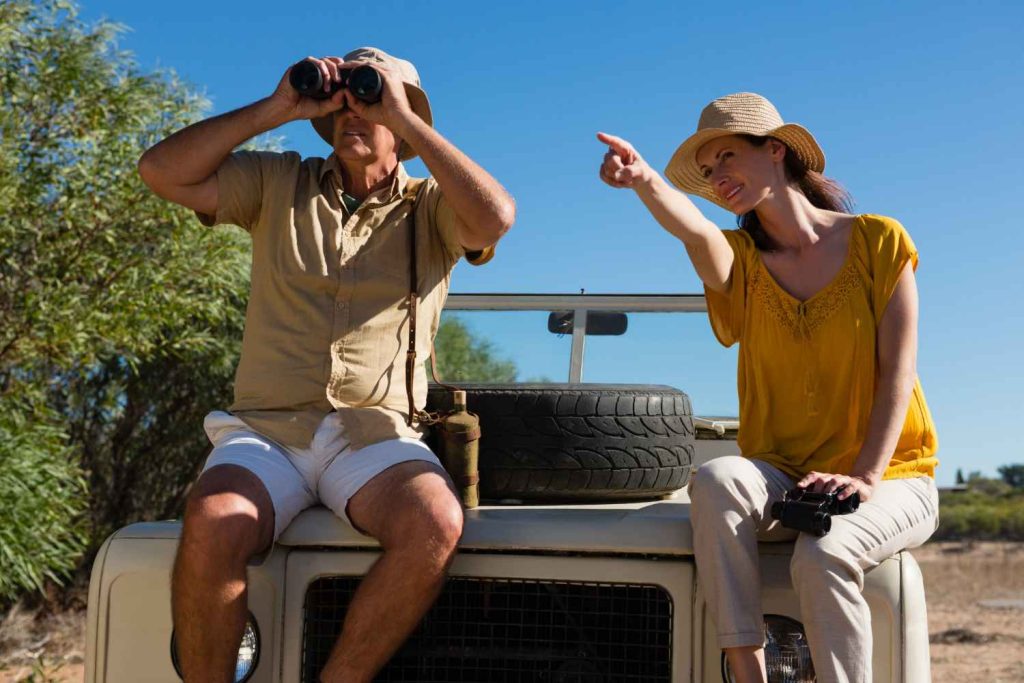

Why an African Safari Is the Ultimate Bucket List Adventure
A safari is one of the best ways to travel because it lets you see animals in their natural habitat. It also lets you enjoy vast landscapes and support conservation efforts. It’s a once in a lifetime travel since you get to see rare animals and be in immersive situations.
Travelers also gain a deeper appreciation for wildlife. They learn about the delicate ecosystems that sustain these animals. Each day brings unforgettable encounters and breathtaking moments.
Key Takeaways
- Bucket list safari lets people see animals in their native environments.
- African habitats are home to big groups of famous animals.
- Safari tourism helps protect the environment and the people who live there.
- Guided tours teach people about wildlife and the environment.
- A safari is a trip that combines nature, culture, and conservation.
Why an African Safari Is the Ultimate Bucket List Adventure
An African safari is the best safari on a bucket list because it lets you see animals in huge protected areas. Guided game drives let you see animals and birds in savannahs, wetlands, and woods.
Lions, elephants, buffalo, leopards, and rhinos make up the ‘Big Five’. They live in many safari areas. These animals remain popular for travelers wanting to see and photograph wildlife.
Global data shows safari and nature-based travel are popular. Millions visit African safaris each year to see wildlife and conservation areas. People seeking African adventure travel are drawn to safaris. They combine animal viewing with outdoor activities. Safaris also offer a chance to learn about the environment.
Diverse Ecosystems and Unique Landscapes
African safaris are special for their variety of landscapes, each with unique wildlife. Guests can see savannahs, wetlands, woodlands, and deserts. In Botswana, eco-tourism protects habitats while allowing wildlife viewing.
Impact on the Environment and Conservation
Safari tourism helps protect wildlife by funding programs that support species. It also maintains national parks and conducts environmental research. It also aids anti-poaching efforts, promotes eco-friendly practices, and supports conservation education. Studies show African eco-tourism protects habitats and supports conservation.
Getting Involved in Cultural and Community Activities
When you go on safari, you often get to meet people who live near national parks and animal reserves. Visitors can learn about local customs and conservation partnerships through cultural activities. Community engagement can include visiting cultural centers and traditional villages. Travelers can also learn about native ecosystem knowledge and support local artists. Joining conservation education programs is another way to get involved.
GAIA Legacy Travel offers trips to see wildlife and culture. They also focus on raising awareness about conservation. Travelers seeking safari planning tips can find guides on arranging an African adventure. These guides also explain what to do while there.
Organized Safari Experiences
Most safari trips follow set itineraries to help you see as many animals as possible. They are also designed to minimize environmental impact. Early morning and late afternoon are best for activities, as animals are most active then.
Some common things to do during a safari are:
- Game drives: guided excursions of wildlife sanctuaries in vehicles
- Walking safaris: guided tours of ecosystems on foot
- Boat safaris: seeing animals near rivers and marshes
- Night drives: seeing animals that come out at night
During these events, guides explain animal behavior and track wildlife. They also provide ecological reasons for what they observe. There are also educational tools that explain these ecosystems. Books and articles cover African safari landscapes and wildlife habitats.
Frequently Asked Questions
-
What sets a safari apart from other animal experiences?
On safaris, travelers can see animals living freely in large natural areas. This is different from restricted or enclosed environments. Guided tours explain how animals act and give information about the environment.
-
Why do so many people think safaris are a must-do trip?
A bucket-list safari offers unique wildlife sights and vast landscapes. It also provides immersive nature experiences hard to find elsewhere.
-
What kinds of animals may you observe on an African safari?
Depending on the area, you might see elephants, lions, buffalo, and leopards. You could also encounter rhinoceroses, giraffes, zebras, antelope, hippos, and crocodiles. You may also spot hundreds of different kinds of birds.
-
How do safaris help protect the environment?
Safari tourism funds animal protection, conservation research, and park management.
-
When is the greatest time to go on safari?
The best time to see wildlife varies by location. In many safari areas, the dry season is ideal because animals gather around water sources.
-
What activities can travelers do on a safari?
Activities usually occur early morning and late afternoon, when animals are most active. Guests can enjoy game drives, expert-led walks, cultural visits, and conservation activities.