A good African safari itinerary should include efficient routing and top wildlife regions. It should also consider the best times of year to go. It combines Arusha travel with a Serengeti safari and nearby conservation areas. It also keeps travel times reasonable. Careful planning also helps balance comfort, cost, and unique experiences across each destination.
Key Takeaways
- The first stop on a planned African safari is Arusha, which is where the trip begins.
- The timing of migrations and access to the region affect how to organise a Serengeti safari.
- Travel flow should make it easier to get from one park to another quickly.
- Dry seasons make it easier to see wildlife and get to roads
- Putting parks together makes more species available.
The Perfect African Safari Itinerary: From Arusha to Serengeti
The best way to start your trip is to go to Arusha because it is close to the main parks in northern Tanzania. Arusha is a good place to get around because it has airports and road transfers. You can find out more through Arusha travel. The trip goes from Arusha to Serengeti, with stops in Tarangire or Ngorongoro. A Serengeti safari focuses on game drives timed around animal movement.
Making Plans for a Serengeti Safari
There are seasonal migration cycles and geographic zones that constitute a Serengeti safari. Different wildlife is found in the Central, Northern, and Southern Serengeti.
- There are always animals to see in Central Serengeti.
- The northern Serengeti is the greatest place to cross rivers during migration.
- In the early part of the year, the southern Serengeti is good for calving season activity.
The time of year you go on a Serengeti safari has a direct effect on how many animals there are and how easy they are to get to. The dry season (June–October) is popular for easier wildlife viewing. Serengeti Safari has further information about conservation.
Travel and Logistics in Arusha
Arusha travel is very important for organising transportation, lodging, and permits. It connects safari routes to Kilimanjaro International Airport via road or light aircraft. Arusha offers stays from transit lodges to full-service safari hotels. These are places where you can stop on your way to national parks. There are other ways to go about it, such as:
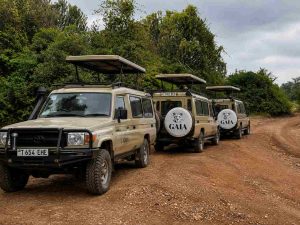
- Private safari cars that can go anywhere
- Scheduled flights to the wilderness to cut down on travel time
- Group tours with set schedules
Good planning reduces travel fatigue and ensures on-time arrival at the park. This is very important for keeping an organised African safari schedule.
Putting Out an African Safari Itinerary with Parks
A full African safari itinerary includes multiple parks for more wildlife variety. Serengeti, Ngorongoro Crater, and Tarangire are common combinations.
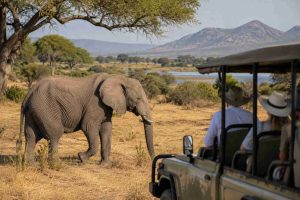
Ngorongoro Crater has a lot of animals living in a small space. Tarangire is famous for its baobab trees and groups of elephants. When you add these to a Serengeti safari, you have a balanced schedule.
For instance, a normal journey might include:
- Day 1–2: Getting ready and travelling to Arusha
- Day 3: Tarangire National Park
- Day 4: Ngorongoro Crater
- Day 5–7: Serengeti safari
This layout cuts down on backtracking and makes the most of the time spent on game drives.
Best Time for an African Safari Itinerary
Timing matters in safari planning due to changing wildlife visibility and road conditions. Dry seasons offer better animal sightings and easier travel. Wet seasons have fewer crowds but tougher conditions. Migration timing is key in a Serengeti safari as it follows rainfall patterns.
The Role of Planned Travel
Structured planning ensures that an African safari itinerary remains efficient and feasible. It means coordinating permits, accommodation, and transport. Travel companies like GAIA Legacy Travel plan safari routes based on weather conditions. Their schedules include Arusha trips and Serengeti safaris.
Frequently Asked Questions
1. What is the best way to plan a safari in Africa?
The ideal itinerary links Arusha travel with the Serengeti and nearby parks. It is based on seasonal wildlife trends and efficient routeing.
2. How many days does a safari plan need?
Depending on how many parks are included, a normal African safari lasts between 5 and 10 days.
3. What makes Arusha crucial for arranging a safari?
Arusha is a hub for travel, lodging, and access to northern Tanzania parks.
4. When is the greatest time to go on a safari in the Serengeti?
People often choose the dry season, which runs from June to October, because it is the best time to see animals.
- Is it possible to visit more than one park in a single trip?
Yes, integrating Serengeti, Ngorongoro, and Tarangire improves the experience. It also exposes more species across the parks.