The Serengeti is known for its large grasslands and abundance of species. It is also famous for the annual Great Migration. Over 1.5 million wildebeest, zebras, and other animals traverse it.
The Serengeti, in northern Tanzania, is also a UNESCO World Heritage Site. It’s well known for its enormous populations of large mammals and diverse environments.
Key points
- The Serengeti is the site of the world’s biggest overland migration of mammals. Millions of migratory ungulates are in constant quest for food and water.
- It supports Africa’s largest lion population. It is also home to significant numbers of cheetahs, leopards, and hyenas.
- The Serengeti has a distinct geography. The topography is varied, from open short-grass plains to riverine woods and kopjes.
- More than 70 species of big mammals and more than 500 species of birds live in the Serengeti ecosystem.
- It is a UNESCO World Heritage Site. The Serengeti is a critical international conservation priority.
What Makes the Serengeti One of Africa’s Greatest Wildlife Destinations?
The Serengeti is the most recognized wildlife area because of its diverse habitats and large animal populations. Its worldwide reputation is based on natural cycles and expansive landscapes. It also has a long history of conservation relevance.
- The Great Migration: Each year, millions of wildebeest, zebras, and gazelles migrate through the Serengeti. These animals travel between pastures in the Serengeti and the Maasai Mara. Their movements are triggered by the rains and the presence of new grass and water. The time and exact course change from year to year.
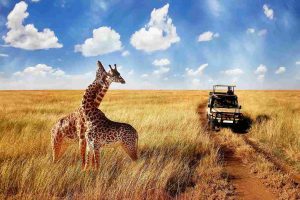
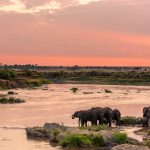
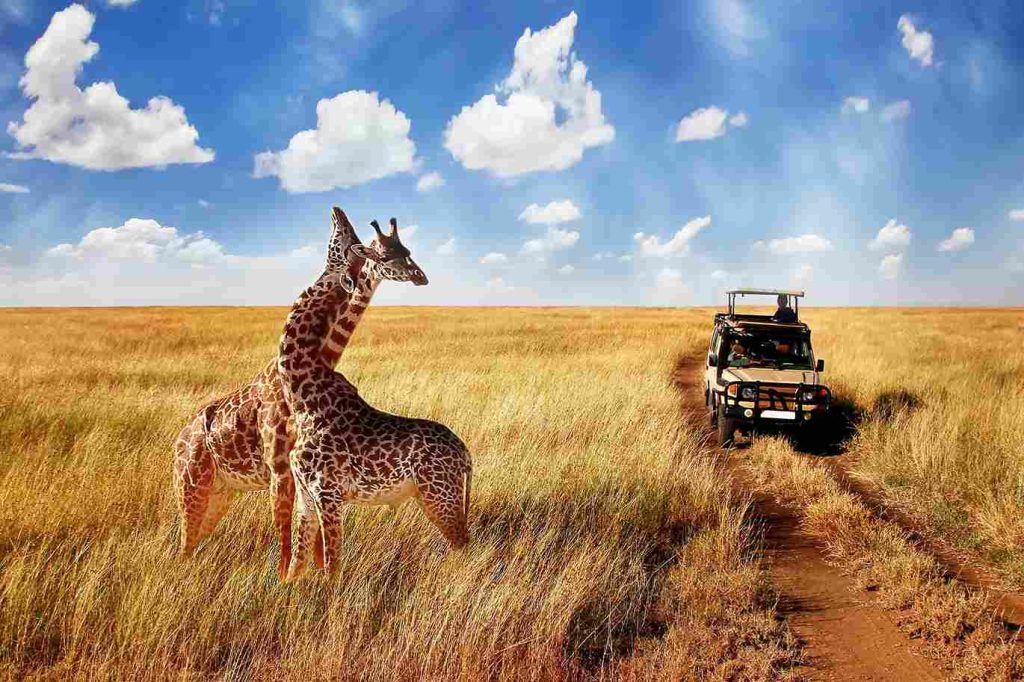
- Wildlife Galore: The Serengeti is home to an enormous diversity of species. Visitors can see lions, leopards, cheetahs, elephants, and giraffes. There are buffalo, hippos, hyenas and all sorts of antelopes. This location is fantastic for game viewing due to the number and diversity of species.
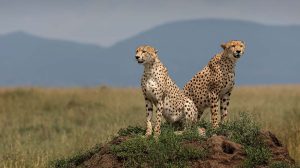
- Big Predator Populations: The Serengeti is known for its enormous numbers of African predators. Lions live across the region. Visitors can expect to see the presence of cheetahs and leopards. Other carnivores, such as spotted hyenas and African wild dogs, also play a role in the ecosystem’s food chain.
- Wide Open Grassland Views: The Serengeti consists of vast plains and great stretches of grassland. These landscapes offer grazing possibilities for animals. It also allows predators to hunt over open country. The scenery is also a big element of the Serengeti safari experience.
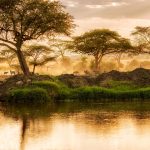
- Various Environments: The Serengeti isn’t all grasslands. The ecosystem includes woods, riverine habitats, rocky outcrops, marshes, and other habitats. This diversity helps support different species. It also means that species might use different places depending on seasonal conditions.
- Birdlife: The region is also important for birdwatching. More than 500 bird species are recorded in the wider ecosystem. This comprises raptors, grassland species, water birds, and migratory species. It makes the Serengeti relevant to people interested in birds as well as mammals.
- Unique Kopjes: Kopjes are rocky formations scattered throughout the Serengeti. These granite outcrops are exposed and give some animals elevation and shelter. Lions and other wild animals use these rocky outcrops as resting places.
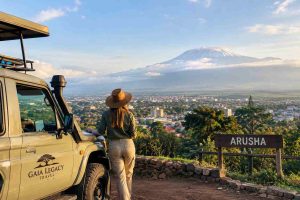
- Wildlife Viewing Varies Throughout the Year: Rainfall affects the growth of plants, water availability, and the movements of grazing animals. Understanding these seasonal trends helps travelers determine when to join a Serengeti safari tour organized by GAIA Legacy Travel.
- Conservation Significance: The Serengeti habitat is highly significant for wildlife conservation and scientific research. The Serengeti National Park is an important aspect of the ecosystem. It’s surrounded by protected areas and animal management areas for wider conservation efforts.
- World Recognition: Serengeti National Park is a UNESCO World Heritage Site. Its ecological processes, wildlife populations, and large-scale animal movements made it one of the world’s best-known protected areas.
Frequently Asked Questions
Where is the Serengeti located?
The Serengeti is located in northern Tanzania. The wider ecosystem extends into Kenya, where it connects with the Maasai Mara ecosystem.
What animals can you find in the Serengeti?
The Serengeti is home to the Big Five animals. These are the lion, leopard, African bush elephant, Cape buffalo, and black rhinoceros. Visitors can also see giraffes, wildebeests, zebras, and cheetahs. There are also gazelles, hyenas, hippos, and many types of birds.
When does the Great Migration happen?
The Great Migration is a year-round, never-ending cycle. Seasonal rains drive it. Important events like calving take place from January to March. River crossings are from July to October.
Why are kopjes significant in the Serengeti ecosystem?
Old granite outcrops called kopjes break up the flat plains. They provide shade and pools of fresh water. Predators like lions and cheetahs exploit the increased view positions to hunt.
Is the Serengeti National Park a protected area?
Yes, it’s a protected national park in Tanzania. In 1981, it was declared a World Heritage Site by UNESCO. The title helps to protect its biodiversity and natural features.